Every small business wants to keep its customers happy. But it can be hard to manage all customer details. This is where a CRM can help. CRM means Customer Relationship Management. It is a tool that helps you store and use customer information easily.
Choosing the best CRM for your small business can be tricky. There are many options out there. Some are too big and costly. Others are too simple and lack features. This guide will help you find the best CRM for your small business needs.
Why Small Businesses Need a CRM
Small businesses often have fewer employees. This means one person may handle many jobs. Keeping track of customer calls, emails, and orders can get confusing.
A CRM helps by:
- Keeping all customer info in one place.
- Helping you follow up with customers on time.
- Showing you what customers like or need.
- Making it easier to work with your team.
With a good CRM, you save time. You avoid mistakes. You can make your customers feel special and important.
What to Look for in a CRM for Small Business
Not all CRMs are the same. You should look for one that fits your business size and style. Here are some key things to check:
| Feature | Why It Matters |
|---|---|
| Easy to use | You want a tool that your team can learn fast. |
| Affordable price | Small businesses have tight budgets. Look for good value. |
| Good customer support | Help is important if you have questions or problems. |
| Mobile access | Work on the go, from your phone or tablet. |
| Integration with other tools | Works well with your email, calendar, or sales tools. |
| Customization | Allows you to tailor the CRM to your business needs. |
Top CRM Options for Small Business
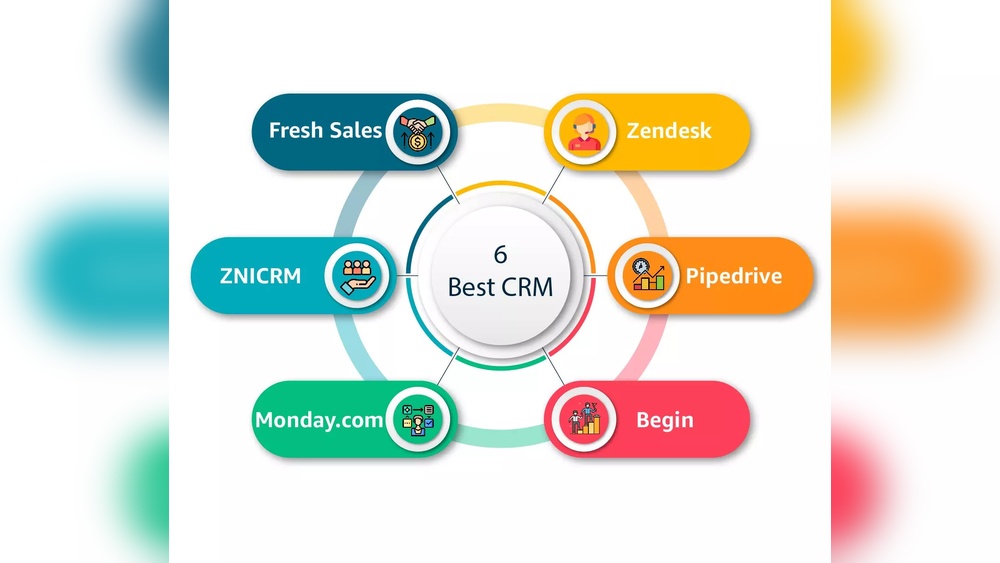
Here are some popular CRM solutions that many small businesses use. Each has its own strengths.
1. Hubspot Crm
HubSpot CRM is free to start. It offers many features that small businesses need. You can track contacts, deals, and tasks easily. The interface is simple and clean.
It also connects with email and marketing tools. It works on phones and computers. Support is available through help articles and chat.
2. Zoho Crm
Zoho CRM is good for small teams. It has many tools like sales tracking, email automation, and reports. It also offers a free plan for small users.
Zoho works well with other Zoho apps. It is affordable and easy to customize. Mobile apps let you work anywhere.
3. Freshsales
Freshsales is a CRM made for small businesses. It helps manage contacts, sales pipelines, and customer emails. The user interface is friendly and simple.
It offers useful features like lead scoring and activity tracking. Freshsales has mobile apps and good support options.
4. Pipedrive
Pipedrive focuses on sales and deals. It helps you move customers through your sales process. The visual pipeline view is easy to understand.
It is simple to use and works on mobile devices. Pipedrive integrates with many other tools. It has affordable plans for small businesses.
5. Insightly
Insightly is a CRM and project management tool combined. It helps you manage contacts and projects in one place. It is useful for service-based businesses.
It offers easy contact management and task tracking. Insightly has a mobile app and integrates with popular apps.
How to Choose the Right CRM
Choosing a CRM depends on your business needs. Here are some steps to help you decide:
- List your needs. What features do you want?
- Check your budget. How much can you spend each month?
- Try free versions. Many CRMs offer free plans or trials.
- Ask your team. Will they find it easy to use?
- Look at support. Is help available when you need it?
- Check integration. Does it work with your other tools?
Take your time. Test a few options. The right CRM will make your business run smoother.

Credit: www.agilecrm.com

Credit: www.youtube.com
Benefits of Using a CRM for Small Business
Using a CRM brings many benefits. Here are the main ones:
- Better customer relationships: You remember details and follow up well.
- More sales: You track leads and close deals faster.
- Improved team work: Everyone shares information easily.
- Time savings: Automate tasks and reduce manual work.
- Clear reports: See how your business is doing at a glance.
Small businesses that use CRM tools often grow faster and keep customers longer.
Common CRM Features Explained
If you are new to CRM, here are some common features you should know:
| Feature | What It Does |
|---|---|
| Contact Management | Stores customer names, emails, phone numbers, and notes. |
| Sales Pipeline | Shows the steps of a sale and where each deal stands. |
| Task and Activity Tracking | Reminds you to call or email customers on time. |
| Email Integration | Links your email to the CRM for easy communication. |
| Reporting and Analytics | Shows sales numbers, customer data, and business health. |
| Mobile Access | Use the CRM from your phone anywhere. |
Tips for Getting the Most from Your CRM
Once you choose a CRM, use these tips to get good results:
- Train your team: Make sure everyone knows how to use it.
- Keep data updated: Enter new customer info right away.
- Use reminders: Follow up with customers on time.
- Customize fields: Add info that matters to your business.
- Review reports: Check what works and what needs change.
Consistent use is key. The more you use the CRM, the better it helps.
Frequently Asked Questions
What Is The Best Crm For Small Business Use?
The best CRM for small business is simple, affordable, and easy to use. Look for features like contact management and sales tracking.
How Does Crm Help Small Businesses Grow?
CRM helps small businesses by organizing customer information and improving communication. This leads to better sales and customer service.
Can Small Businesses Afford Crm Software?
Many CRMs offer free plans or low-cost options tailored for small businesses. This makes CRM software affordable and accessible.
What Features Should Small Business Crm Have?
Important features include contact management, lead tracking, email integration, and reporting tools. These help keep business organized and efficient.
Conclusion
Finding the best CRM for your small business is important. It helps you keep customers happy and grow sales. Look for a CRM that is easy, affordable, and fits your needs.
Try free versions before buying. Ask your team for their opinion. Use the CRM every day to see the best benefits.
With the right CRM, managing your small business becomes easier. Your customers will appreciate the personal care you give them. And your business can grow step by step.